Learn to prepare plans for permaculture systems
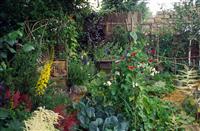
Permaculture is a unique type of landscape contrived and built so plants and animals live balanced in a self sustaining ecosystem. Permaculture commonly involves developing a garden or farm where the plants and animals are put together in such a way that they support each others growth and development. The garden or farm may change over years, but always remains productive, requires little input onceestablished, and is environmentally sound.
This is an "intensive" foundation course. If you are only going to do "one" permaculture course do this! If you do this course, you will not need to take Permaculture I, Permaculture Plants, Permaculture Animals, or Permaculture IV.
Course Duration: 100 hours
Course Structure
The course is eight lessons.
- Permaculture Principles
- Nature and scope
- Principles of permaculture
- Location
- Functions
- Elements
- Elevation planning
- Biological resources
- Recycling energy
- Diversity
- Natural succession
- Maximising edges
- Other concepts and systems that have been incorperated into permaculture
- Sustainability
- Organics
- No dig gardening (from Esther Deans)
- No till planting
- Crop rotation
- Green manure cropping
- Composting
- Companion planting
- Pest and disease prevention and management
- Natural Systems
- Ecosystems
- Abiotic components of an ecosystem
- Biotic components of an ecosystem
- Ecological concepts and terms
- Biomass
- Understanding climate
- Microclimates
- Degree days
- Water in permaculture systems
- Minimising water needs
- Arid landscapes
- Irrigation
- Using swales
- Reed beds for waste water treatment
- Reed bed plant species
- Hydrological cycle
- Water: Direct fall onto land surface, intercepted fall, fall onto water bodies
- Rainfall, Evapouration, Infiltration
- Effective rainfall
- Soil Environments: micro organisms, organic matter
- Types of soil degradation
- Types of erosion & control
- Salinity and its control
- Soil acidification and management of pH
- Wildlife in a Permaculture system
- Structure of a Permaculture system
- Plants and their function in permaculture
- Guilds and stacking
- Successions
- Zone & Sector Planning
- Scope and nature
- Five standard zones
- Sectors
- Landscape profile
- Site selection
- Pre planning information; what is needed and how to find it
- Procedure for concept design,step-by-step
- Recording site and locality details
- Permaculture Techniques
- Forests and trees
- Trees as energy transducers
- Types of forests; fuel, food, forage, shelter, barrier, structural, conservation
- Forest establishment
- Designing fire or wind break
- Fire resistant plants
- Mandala gardens & their construction
- Keyhole beds
- Water bodies in a permaculture system
- Water body design
- Water containment options
- Water plants (Three types)
- Managing water bodies
- Animals in Permaculture
- Location for animals
- Functions for animals in a permaculture system
- Bees, poultry, pigs, cattle
- Grazing animals
- Types of fencing (post and rail, hedge, wire, barbed wire, electric, banks and rises, gates
- Animal water supply
- Shelter for animals - trees, a valley, purpose built shelter
- Birds
- Earthworms
- Aquaculture scope and nature
- Aquaculture production systems (EP and IP)
- Aquaculture species
- Aquaculture management
- Harvesting fish
- Plants in Permaculture
- Scope and nature of plants for use in permaculture
- Growing vegetables organically
- Physical characteristics of a soil
- How to test and name a soil
- Chemical characteristics of a soil
- Soil nutrition
- Fertilisers
- Animal manures
- Liquid plant feeds
- Rock dusts
- Nitrogen fixation
- Mycorrhizae
- Identifying plant nutrient deficiencies
- Using mulches
- Types of mulch
- Weed management
- Preventative weed control
- Other methods of weed control
- Culture of selected permaculture plants: asparagus, black locust, cassava, chicory, dandelion, endive, fennel, garlic, ginger, horseradish, leek, mint, okra, pigface, rhubarb, sweet potato, tarowarrigul greens, water cress, water spinach, yams
- Culture of selected fruits: apple, apricot, cherry, citrus, fig, loquat, nasi pear, olive, peach, pear, plum, quince
- Culture of selected tropical fruits: avocado, banana, carambola, coconut, custard apple, guava, mango, paw paw, pepino, pineapple
- Culture of selected vines: grape, passionfruit, kiwifruit
- Culture of selected berries
- Culture of selected nuts
- Culture of rarer nuts
- Crop plants which grow in shade
- Fodder plants
- Plant pest and disease management for permaculture
- Plants with insecticidal properties
- Appropriate Technologies
- Scope and nature of appropriate technology
- Solar energy
- Wind energy
- Methane
- Biofuel power
- Composting toilets
- Energy efficient housing
- Living fences (hedges, hedgerows etc)
- Water recycling
- Domestic needs: climate control, space heating, washing and drying clothes, cooking and cook stoves, refrigeration and cooling, hot water supplies, water conservation, electricity and lighting
- Alternative energy and management
- Waste disposal: kitchen waste, non composting waste, recycling
- Biological filtration system
- Conservation and recycling
- Types of waste water (liquid waste, grey water, black water)
- Energy conservation
- Solar energy
- Solar greenhouses
- Preparing a Plan
- Scope, nature and methods
- Designing for natural disasters
- Drawing a plan
- Developing the final design
Enrol Today
Ready to get started? Click on the orange enrol now button.
Have questions? Click here to email our course counsellors.

Praise for this Course:
"Thank you for your support and help with this course. I have really enjoyed the assignments and I have learned a lot about the principles of permaculture."
Ned
WHY CHOOSE US?
Reputation: well-known and respected.
Industry focus: courses designed to suit industry needs and expectations.
Different focus: develop problem solving skills that make you stand out from others.
Hands-on: develop practical as well as theoretical skills.
Lots of help: dedicated and knowledgeable tutors.
Efficient: prompt responses to your questions.
A long track record: established in 1979 with a solid history.
Up to date: courses under constant review.
Resources: huge wealth of constantly developing intellectual property.
Value: courses compare very favourably on a cost per study hour basis.
Student amenities: online student room, bookshop, ebooks.