Learn about Managing Pastures
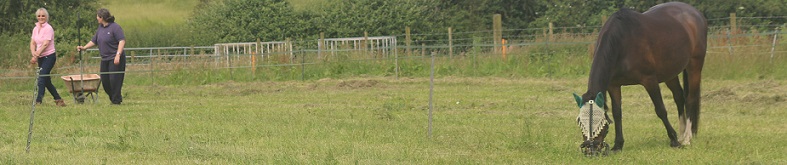
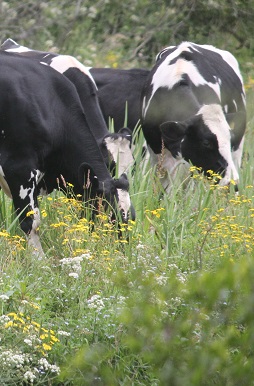
Managing pastures requires an ability to grow appropriate species in an appropriate way; then control the quantity of grazing for both the feeding needs of the animals and the sustainability of the pasture plants. Throughout this course you'll learn how some plant species are better than others for animals to graze on; certain grasses grow better than others, and how some are not very nutritious and others can even be poisonous.
Course Duration: 100 hours
Course Structure
There are 8 lessons in this course.
1. Introduction to Pastures
- Pasture Improvement
- Choosing a Pasture Mix
- Seed Coating
- Variety Selection
- Sustainability
- Definitions
2. The Pasture Plant
- Grasses
- The grass plant
- Growth and development
- Phases of development
- Annual and perennial grasses
- Carbohydrate sinks
- The physiology of grasses
- The structure of grasses
- Growth habits
- Legumes
3. Pasture Varieties
- Introduction to common pasture grasses
- Identifying grasses
- Legumes
- The Importance of Legumes in Pasture
- Nitrogen Fixation in Legumes
- The Rhizobium bacteria
- Common legumes
- Grasses to Grow With Clovers
4. Site Considerations
- Managing pastures
- Choosing the Correct Site for a Pasture
- Choosing the correct seed mix
- Seed quality
5. Establishing New Pastures
- Preparation of the land for pasture
- Prepared seedbed
- Sowing
- Germination
- Direct drilling
- Weed control
- Seeders
- Grazing new pastures
6. Managing Existing Pastures
- Native Grasses versus Pasture
- Carrying Capacity of Native Grasses
- Stocking Rate of Native Grass Areas
- The Establishment of the Native Grasslands
- The developing grasslands
- How grasslands deteriorate
- Factors promoting succession or retrogression
- Limiting factors and terminal plant communities
- Allogenic Factors
- Autogenic Factors
- Rests To Promote Rapid Growth
- Rests to change the composition of the community
- Rests designed to eliminate or control bush encroachment
- Rests to accumulate grazing material
- Rests to provide out of season fodder
- Physiological aspects
7. Managing Stock on Pasture
- Factors affecting food intake by animals
- Animal factors
- Feed factors
- Grazing factors
- Grazing behaviour
- Complementary Grazing
- Rank Order of Dominance
- Selective Grazing
- Ruminant Time
- Herd Group Behaviour
- Grazing Time
- Pasture management principles - rest, grazing period, stocking, carrying capacity
- Equal Utilisation or the Removal of the Top Hamper, paddock size, number in herd etc
- Grassland management principles - Split - season Systems, Continuous Light Stocking, One Herd, Four Paddock System, Intensive systems etc
- Horse pastures
- Food trees and shrubs
8. Pasture Management Work Tasks
- Fertilizer
- Pest and weed control
- Biological control
- Advantages of Biological Methods
- Disadvantages of Biological Methods
- Irrigation
- Fallowing
- Cultivation
- Pasture renovation
- Managing pasture after drought
- Managing pasture after fire
Enrol Today
Ready to get started? Click on the orange enrol now button.
Have questions? Click here to email our course counsellors.
WHY CHOOSE US?
Reputation: well-known and respected.
Industry focus: courses designed to suit industry needs and expectations.
Different focus: develop problem solving skills that make you stand out from others.
Hands-on: develop practical as well as theoretical skills.
Lots of help: dedicated and knowledgeable tutors.
Efficient: prompt responses to your questions.
A long track record: established in 1979 with a solid history.
Up to date: courses under constant review.
Resources: huge wealth of constantly developing intellectual property.
Value: courses compare very favourably on a cost per study hour basis.
Student amenities: online student room, bookshop, ebooks.