Study Livestock Biology
Understand Your Livestock from the Inside Out. This anatomy and physiology course is the essential next step for anyone working with animals.
Excellent for farmers, animal carers, and those transitioning into animal study.
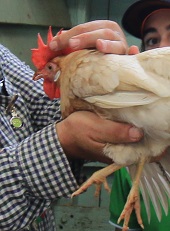 If you work with animals and have never studied their biology; this is an important course for you. It is only through a proper scientific understanding of animal anatomy and physiology, that you are going to ever fully understand how animals function, and how you should care for them.
Course Duration: 100 hours
Course Structure
There are 11 lessons in this course.
-
Introduction to cells & tissues
- livestock classes
- livestock products
- interrelationship between crops and livestock
- cells and tissues
- special properties of cells
- osmosis
- nutrient waste
-
The Digestive System
- digestive system
- mouth, tongue, teeth
- oesophagus
- simple stomach
- small intestine
- large intestine
- ruminant stomach
- accessory organs of the digestive system
- digestion
- absorption and utilisation in the simple stomach
- enzymes
- breakdown by microorganisms
- digestion, absorption and utilisation in the ruminant stomach
- mechanical action
- action of micro-organisms
- utilisation of the end products of digestion
-
The Circulatory System
- circulatory system
- composition of blood
- functions of blood
- clotting mechanism
- immunity
- blood vessels
- arteries
- veins
- capillaries
- physiology of the circulatory system
- heart rate
- spleen
- lymphatic system
- circulatory networks
-
The Urinary System
- anatomy of the urinary system
- kidneys
- ureter
- bladder
- physiology of urinary system
- excretion in different animals
-
The Nervous System
- central and peripheral nervous system
- main parts of the nervous system
- neurons
- sensory neurons
- motor neurons
- central nervous system
- the brain
- spinal cord
- peripheral nervous system
- cranial nerves
- spinal nerves
- autonomic nervous system
- reflex actions
- endocrine system
- structure and function of the ear
- hearing
- structure and function of the eye
- the iris
- structure and function of the nose
-
Respiration
- anatomy of respiration
- trachea
- bronchial tree
- lungs
- physiology of respiration
- gaseous exchange
- rate and depth of breathing
-
The Reproductive System
- anatomy of the male reproductive system
- testes
- accessory organs
- penis
- physiology of male reproductive system
- hormone production
- sperm production
- erection
- ejaculation
- fertility problems in males
- venereal diseases
- other diseases
- injury
- physical immaturity
- emotional immaturity
- nutrition
- poor handling
- anatomy of female reproductive system
- ovaries
- fallopian tubes
- uterus
- cervix
- physiology of the female reproductive system
- ovulation, oestrus cycle
- fertility problems, difficulties conceiving
- venereal and other diseases
- physical abnormalities
- nutrition
- inability to carry a foetus to full-term
- pregnancy and parturition
- fertilisation
- pregnancy
- parturition
- birth process
- difficult births
- structure of the mammary glands
- secretion of milk
- milk ejection
- reproduction data for cows, sows and ewes
-
Muscles & Meat
- muscles and meat
- smooth muscle
- striated voluntary muscle
- cardiac muscle
- structure of meat
- dressing out percentage
- composition of the beef animal
- meat quality and tenderness
- juiciness
- flavour
- cuts and joints of meat
-
The Skeleton
- bones
- how bones are formed
- anatomy of bones
- fractures and fracture healing
- five types of bone
- joints of bone
- the skeleton
- dentition
- the dental formula
- cattle
- dental formula of an ox and cow
- eruption of permanent teeth
- pigs
-
Animal Growth, Development, and the Endocrine System
- growth and development
- growth curve
- prenatal growth
- post-natal growth
- fat
- factors which affect the size of new-borns
- factors affecting post-natal growth
- early maturing
- compensatory growth
- endocrine system
- pituitary gland
- thyroid
- parathyroid
- thymus
- adrenal bodies
- pancreas
- testes
- ovaries
- pineal body
- mucous membrane of the stomach
-
Comparing Different Animals
- poultry
- digestion
- gullet
- crop
- proventriculus
- gizzard
- intestine
- caecum
- rectum
- incubating eggs
- natural incubation
- symptoms of a broody hen
- fish
WHY CHOOSE US?
Reputation: well-known and respected.
Industry focus: courses designed to suit industry needs and expectations.
Different focus: develop problem solving skills that make you stand out from others.
Hands-on: develop practical as well as theoretical skills.
Lots of help: dedicated and knowledgeable tutors.
Efficient: prompt responses to your questions.
A long track record: established in 1979 with a solid history.
Up to date: courses under constant review.
Resources: huge wealth of constantly developing intellectual property.
Value: courses compare very favourably on a cost per study hour basis.
Student amenities: online student room, bookshop, ebooks.
Enrol Today
Ready to get started? Click on the orange enrol now button.
Have questions? Click here to email our course counsellors.